
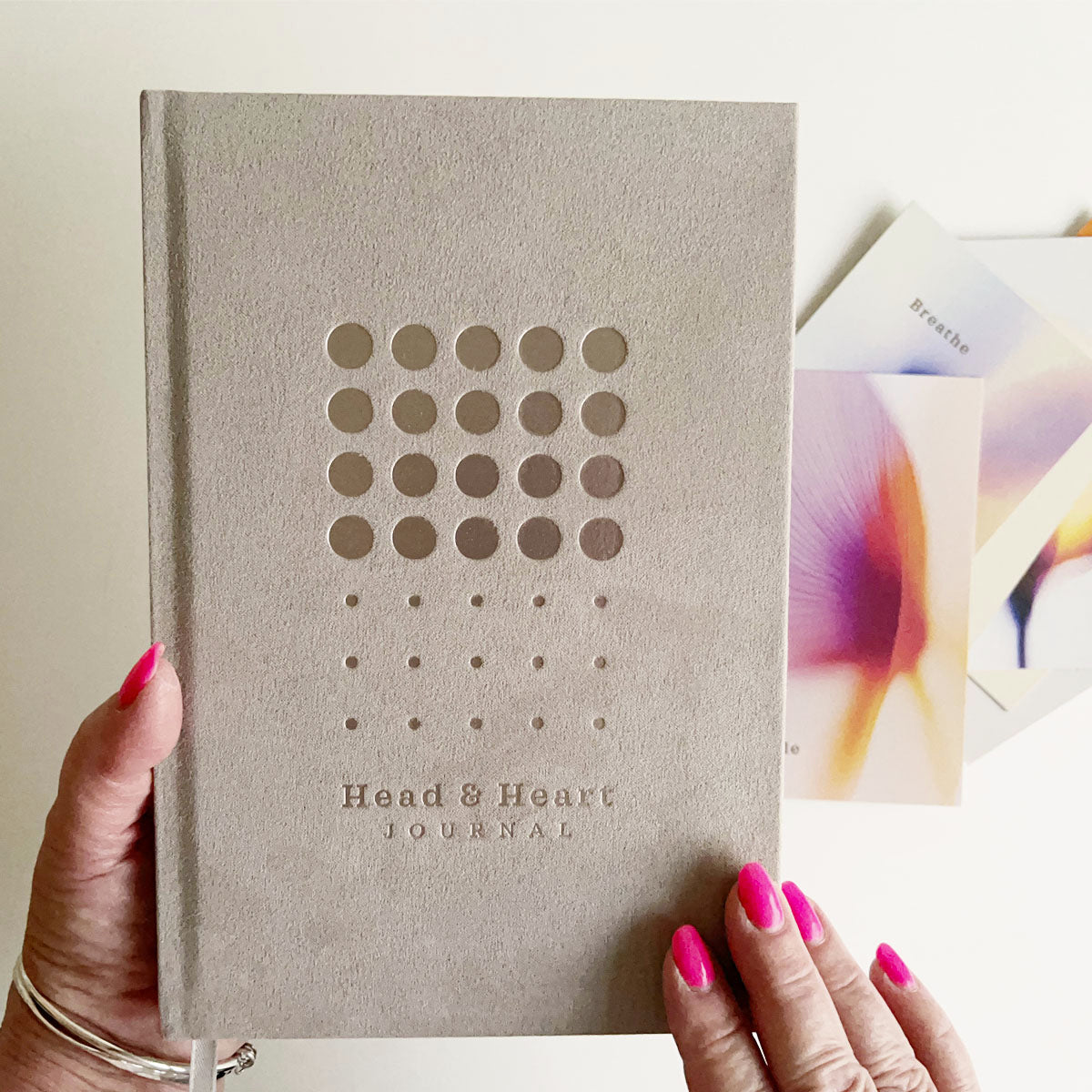


The Problem With Traditional Productivity Planners
There is no shortage of productivity planners.
They promise structure, efficiency, optimisation — a way to organise every part of the day and make better use of time.
And for a while, they can feel helpful.
Pages are filled.
Systems are followed.
There is a sense of control.
But over time, something often begins to shift.
The structure becomes rigid.
The system becomes something to maintain.
The planner starts to feel less like a tool and more like something to keep up with.
What was meant to create clarity can begin to create pressure.
Many traditional planners are built around the idea that more structure leads to better results.
More sections.
More tracking.
More ways to measure progress.
But more isn’t always better.
'When everything is planned, tracked and optimised, there is often very little space left to think.'
And without space, it becomes harder to see what actually matters.
Clarity gets lost inside the system.
This is where a different approach begins to make sense.
One that removes complexity instead of adding to it.
One that allows for flexibility, rather than a rigid structure.
One that creates space, so that clarity can emerge.
A simpler planner doesn’t try to organise everything.
It focuses on a few things that matter.
It leaves room for thought, adjustment and reflection.
It supports the way people actually move through their days — not perfectly structured, but shifting, evolving and often unpredictable.
Because planning is not about controlling every moment.
It’s about understanding what deserves your attention.
At ONE FOCUS, we believe the role of a planner is not to manage everything.
It is to help you see clearly.
And when things are clear, the next step becomes easier to take.
ONE FOCUS
Clarity on paper
If you're looking for simple tools to support clarity, focus, and intentional living, explore the ONE FOCUS collection of journals, planners, and notebooks designed to help you create space for what matters.



Leave a comment
This site is protected by hCaptcha and the hCaptcha Privacy Policy and Terms of Service apply.